Monday, 27 July 2020
How To Stay Motivated To Work Out
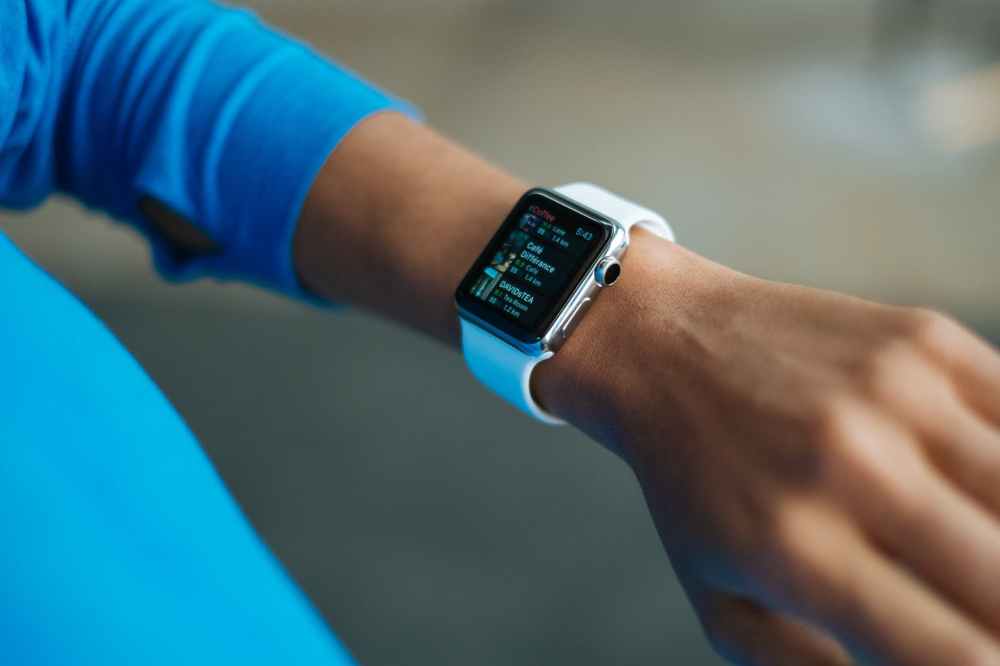
Setting aside some time to go for a 45-minute walk isn’t always easy. We all live busy lives and between family and work, fitting in a workout isn’t always possible.
What if I told you that you didn’t have to dedicate a set block of time for your walking workouts? What if you could get the same health benefits by working in a little more activity here and there throughout your day?
And what if there was a fun little gadget that helped you stay motivated to work out more?
There is and it’s called a pedometer. You can pick up an inexpensive model at your local superstore or order it from Amazon. Or you can go with something a little fancier like a Fitbit for example.
Earn hundreds of pounds cashback every year shopping at over 4500 retailers with the UK's Top Cashback site. Join Quidco & get cashback for your purchases!
But before you head out to spend any money, check your smartphone. Many models have a pedometer built-in. All you need to do is download a free app and you’re good to go.
The pedometer will track how many steps you take on any given day. It will also track how many minutes you’ve spent being active and how many miles you’ve walked.
In other words, it keeps track of how much exercise you get during your day. And the good news is that it doesn’t matter if you head out after work for a 45-minute walk, or if you work out in little spurts here and there throughout the day.
Maybe you start your day by parking a little further away from the office and walking a couple of hundred extra steps. Then you take a quick stroll during your lunch break.
You wrap up your day by walking around the park while your kids play. And just like that, you’ve gotten your exercise in without having to block out any additional time.
Give it a try. Put on a pedometer, or start tracking with that phone you’re always carrying around anyway and see how much you’re walking around any given day. From there, try to get a little more active as time goes by until you hit your stepping goal.
For most of us 10,000 steps per day is a good long-term goal, but if you’re feeling more ambitious than that, go for it.
Keeping track of your steps is very motivating. Looking at your pedometer and realizing you’re 2,000 steps away from your daily goal may be just the motivation you need to head out for that after-dinner stroll.
Thursday, 23 July 2020
High Prolactin Levels - Hyperprolactinemia


What is hyperprolactinemia?
What are the common causes of high prolactin levels
- Hypertension(calcium channel blockers and methyldopa)
- Depression
- Nausea and vomiting
- Pain(opiates)
- Heartburn and gastroesophageal disorders
- Mental health disorders( Risperdal and haloperidol)
- Menopausal symptoms (estrogen)

What are the symptoms of high prolactin levels
- Irregular or missed periods
- Production of breast milk when not pregnant or breastfeeding
- Infertility
- Vaginal dryness
- Loss of libido
- Breast pain
- Erectile dysfunction
- Loss of libido
- Infertility( low sperm production)
- Production of breast milk
- Abnormal growth of breast(gynecomastia)
How is hyperprolactinemia diagnosed
How is hyperprolactinemia treated
- Thyroid replacement drugs if hypothyroidism is the cause.
- Replacement of medicines used to treat other conditions causing the elevation of prolactin levels.
- Surgery, if there is a prolactinoma that is not responding to drugs.
- Drugs
Drugs used to treat hyperprolactinemia
Monday, 29 June 2020
What is Endometriosis?
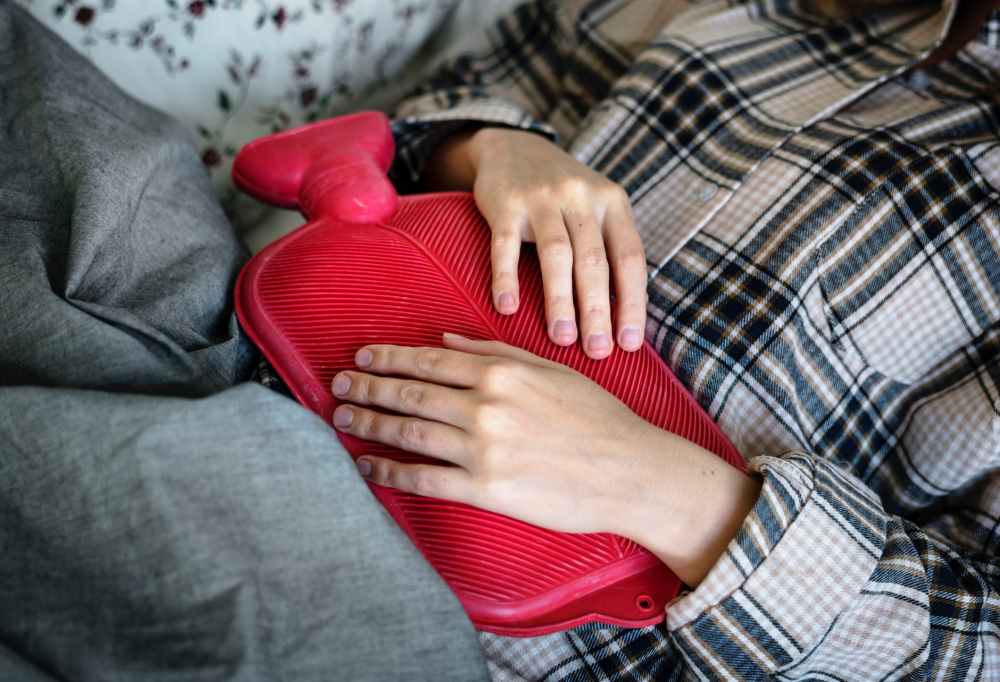
This is a disorder in women in which tissues that normally lines the uterus called the endometrium grow outside the uterus on the ovaries, fallopian tubes, and the tissue lining the pelvis.
Sign and symptoms of endometriosis
- Painful periods: This severe pain may begin before and well into the period
- Abnormal periods: This may be heavy bleeding during periods, irregular periods, or spotting.
- Pain during sexual intercourse in the back, lower abdomen, pelvis, rectum, or vagina
- Adhesions i.e. tissues binding the pelvic organ together
- Pain with bowel movement or urination
- Infertility
- Fatigue and tenderness
- The severity of the symptoms doesn’t indicate the degree or stage of the condition. Some may have a mild form of the disease and experience agonizing pain while some people may have a severe form and experience little or no symptoms.
Diagnosis of endometriosis
The symptoms of endometriosis can be similar to symptoms of other conditions like ovarian cysts and pelvic inflammatory disease. Your doctor will do one or more of the following.
- Take a detailed history of your symptoms and family history of endometriosis.
- Physical examination
- Your doctor may use a transvaginal or abdominal ultrasound to produce images of your organs to identify cysts associated with endometriosis.
- Laparoscopy: A minor surgery is done to view the lesions and remove them at the same time.
Stages of endometriosis
There are four stages of this condition
Stage 1: Minimal
Small lesions, shallow endometrial implants on the ovary
Stage 2: Mild
Light lesions and shallow implants on the ovary and pelvic lining.
Stage 3: Moderate
Deep implants on the ovary and pelvic lining.
Stage 4: Severe
Deep implants on the pelvic lining and ovaries. Lesions on the Fallopian tubes and the bowel
Treatment of endometriosis
Endometriosis has no cure but its symptoms can be managed. Treatment options include:
Pain medication
Hormonal therapy
This helps to reduce pain, regulate the hormonal changes that promote tissue growth occurring during endometriosis. These hormonal treatments include:
- Hormonal contraceptives like birth control pills, patches, and vaginal rings can reduce or eliminate pain in severe endometriosis. They work by preventing the monthly build-up of the endometrial tissue.
- Gonadotropin-Releasing Hormone(GnRH) agonists and antagonists – These block production of estrogen which is responsible for the development of female sexual characteristics. Blocking estrogen prevents menstruation and leads to artificial menopause.
Conservative Surgery
This is done to remove abnormal endometrial growths without damaging the reproductive organs.
Hysterectomy
This is a rather radical treatment and you should seek a second opinion before agreeing to this especially if you want to have children.
Do you suspect your symptoms may indicate endometriosis? Consult your doctor as soon as possible for proper diagnosis and management.
Endometriosis: Symptoms, treatment, diagnosis. (n.d.).
obgyn.ucla.edu/endometriosis
Facts about endometriosis. (n.d.).
endometriosis.org/resources/articles/facts-about-endometriosis/
Endometriosis. (2019).
womenshealth.gov/a-z-topics/endometriosis


There are a lot of good reasons to go for a walk. It’s fun, it’s relaxing and most important it’s good for your health. But what exactly are the health benefits of walking?
Walking Gets You Outside In The Fresh Air and Sunshine
No matter how fast or slow you walk, walking gets you outside and in the fresh air. This alone will make you feel better as your body absorbs oxygen and sunshine. Both are important for your health and well-being.
You will find the air quality outside will be much better than the air inside your house. Of course, the sunshine outside will help your body produce all the Vitamin D it needs.

Walking Can Help You Get To And Maintain A Healthy Weight
Walking particularly at a quick pace and doing it regularly can help you get to and then maintain a healthy weight. Yes, you still need to watch what you eat and aim for a healthy diet, but walking can be another tool to help you drop the extra weight.
The nice thing about walking when you’re overweight is that you burn a lot of calories, even on short and slow walks. As you start to lose weight, your overall strength and endurance increases, allowing you to walk longer, further, and faster.
Walking Improves Your Sense Of Balance And Coordination
As you walk, particularly when walking over rougher terrain, you’re also working on your sense of balance and coordination. Just getting in the habit of going for a daily walk will help. But you can work even more on your sense of balance by moving your head around. Turn your head to the right and left as you walk for a count of 30. Then move your head up and down for a count of 30. Doing these simple exercises once or twice as you walk each day will be of great benefit.
Walking Strengthens Your Bones and Muscles
Even though walking is a low-impact form of exercise, it helps to strengthen and tone your body. If you’re just starting out, it is all you need to start to get into better shape. As you get more fit, consider adding weight lifting exercises in addition to your daily walks to continue to get stronger and help develop strong muscles and bones.
Walking Will Boost Your Mood and Fight Depression
The exercise of walking releases endorphins that will help lift your mood and can even reduce depression. Give it a try. The next time you’re feeling tired or are in a bad mood, lace up your sneakers and go for a brisk walk. It works!