Friday, 8 October 2021
What Screening Is Used To Test For Breast Cancer?

Breast cancer screening means checking the breasts for signs of cancer even before they have symptoms. Screening is done to find cancer early when it can be treated. Your doctor may recommend screening even when you have no symptoms. Talk to your doctor to determine the right kind of screening test for you.
Types of screening
Mammography
This is the most common type of screening test. A mammogram is an X-ray of the breast. They help to find tumors that are so small you can't feel them. It can also help to find ductal carcinoma in situ(DCIS) where abnormal cells line the breast duct.
Mammography Guidelines
Women age 40-54 are recommended to get mammograms every year.
Women 55 and older who are at average risk can get mammograms done every two years.
Screening should continue as long as a woman is in good health and expected to live ten more years or longer.
Types of mammograms
There are three types of mammograms.
- Film mammogram is an x-ray picture of the breast.
- Digital mammogram is a picture of the breast taken by a computer.
- Digital breast tomosynthesis takes pictures of the breast from many angles using X-rays. A computer then makes 3D images of the breast using these pictures.
Breast Magnetic Resonance Imaging(MRI)
The breast MRI uses magnets, radio waves, and computers to take detailed pictures of the breast tissues. This is used in addition to the mammogram to screen women at high risk of getting cancer. MRI does not use X-rays and you are not exposed to radiation.
Factors that put women at risk include a family history of breast cancer(mother, daughter, or sister), certain gene changes in the BRCA1 and BRCA2 genes, and some genetic conditions like Li-Fraumeni and Cowden Syndrome.
Clinical Breast Exam
The breasts are inspected and checked for lumps or any other abnormality by a doctor or health professional.
Breast Self Examination
This is not usually included as part of breast screening because there is no evidence to show that it decreases the chances of dying from cancer. However, it helps you to become familiar with the look and feel of your breast so you can know when there are unusual changes in the breast.
Read: How To Do Breast Self Exam
Talk to your healthcare provider about your risk of breast cancer and what type of screening test is appropriate for you.
Wednesday, 25 August 2021
How Can You Lower Cholesterol Levels Fast? Tips On How To Lower Cholesterol

What is cholesterol?
Cholesterol is a waxy chemical substance found in every cell of the body. It is a fat-like substance that moves in the blood. The liver produces about 80% of the cholesterol in the body. We can also get it from food. Cholesterol is only found in foods that come from animals like meat, poultry, fish, eggs, and dairy products.
The liver regulates the cholesterol in the blood. After a meal, cholesterol in the meal is absorbed in the small intestine, metabolized, and stored in the liver. The liver secretes cholesterol as the body needs it.
What is the role of cholesterol in the body?
Cholesterol performs many vital functions in the body. It is found in all the cell membranes of the body. Cell membranes are layers that protect the contents of the cell by acting as a gatekeeper to what things can enter or leave the cell. Cholesterol is also needed to make Vitamin D and some hormones like estrogen and testosterone.
Types of cholesterol
Cholesterol is transported in the blood by particles called lipoproteins. There are three types of lipoproteins that are categorized based on how much protein there is in relation to cholesterol.
Low-Density Lipoprotein
This is typically called "bad" cholesterol. It has more cholesterol than protein. This lipoprotein transports cholesterol throughout the body. They accumulate in the arteries clogging them and making them hard and stiff.
High levels of LDL can increase the risk of heart disease, stroke, and peripheral artery disease by forming cholesterol plaques on the walls of the arteries. As the plaques continue to build up, they narrow the arteries. This is called arteriosclerosis. This will also cause the blood flow to decrease.
If the plaque ruptures, this can cause a blood clot to form. This blood clot can prevent blood flow. If this clot occurs in any coronary arteries in the heart, it can cause a heart attack or myocardial infarction.
High-Density Lipoprotein
This is called good cholesterol. This is made up of higher levels of protein and lower levels of cholesterol. HDL picks up excess cholesterol and takes it back to the liver. Higher levels of HDL reduces the risk of heart disease.
Very Low-Density Lipoprotein
These are particles in the body that carry triglycerides. Triglycerides are important because most of the fat in the body exists as triglycerides. VLDL contains even lower levels of protein than LDL and has been associated with cholesterol plaque build-up.
How to test your cholesterol levels
Cholesterol levels are tested with a blood test. In most cases, you will need to fast for 12 hours before drawing blood for the test.
Accepted cholesterol levels
| Total Cholesterol (mg/dL) | |
|---|---|
| < 200 | Desirable |
| 200 to 239 | Borderline high |
| > 240 | High |
| HDL (mg/dL) | |
| < 40 | Low |
| > 60 | High |
| LDL (mg/dL) | |
| < 100 | Optimal |
| 100 to 129 | Near-Optimal |
| 130 to 159 | Borderline high |
| 160 to 189 | Near high |
| > 190 | High |
How to lower cholesterol by diet
Reduce saturated fats
Saturated fats are mainly found in animal foods, though a few plant foods are also high in saturated fats like coconut oil, palm oil, and palm kernel oil. Some sources of saturated fat are meat products (sausage, bacon, meat, hamburgers), whole and reduced-fat milk, butter and dairies desserts, pizza, cheese, and cookies.
The American Heart Association recommends limiting saturated fats to no more than 7% of calories.
Eliminate trans fats
Trans fats are made by heating liquid vegetable oils in the presence of hydrogen gas and a catalyst. Partially hydrogenated oils can withstand heating without breaking down making them ideal for frying foods. Trans fats are also found in beef fat and dairy fat in small amounts.
Trans fats lower HDL and raise LDL. They can also create inflammation and increase insulin resistance. Insulin resistance is when your body stops responding to insulin, causing an increase in blood sugar levels.
Increase unsaturated fats
Unsaturated fats are liquid at room temperature and are considered beneficial for health. They can improve blood cholesterol levels, reduce inflammation and stabilize heart rhythms. Unsaturated oils are found in food from plants such as vegetable oils, nuts and seeds.
There are two types of unsaturated fats:
Monounsaturated fats which are found in avocados, oils suchs as peanut oil. canola oil, nuts like almonds and seeds like sesame and spinach seeds.
Polyunsaturated fats which are found in walnuts, fish, flax seeds and canola oil.
Eat foods rich in omega 3 fatty acids
Increase your physical activity
Exercise helps boost your body's HDL (good fat).
Quit smoking
Smoking may lower your body's HDL(good fat).
Lose Weight
Drink alcohol in moderation
Drinking too much alcohol can increase your cholesterol level.
Take your medication
Tuesday, 1 September 2020
How Much Discharge is Normal in Pregnancy


What is vaginal discharge?
- Itching around the vagina
- Pain or soreness during urination
- Foul or fishy smell
- Green or yellow coloured discharge
- Bleeding
- Very watery or excessive discharge
Monday, 29 June 2020
What is Endometriosis?
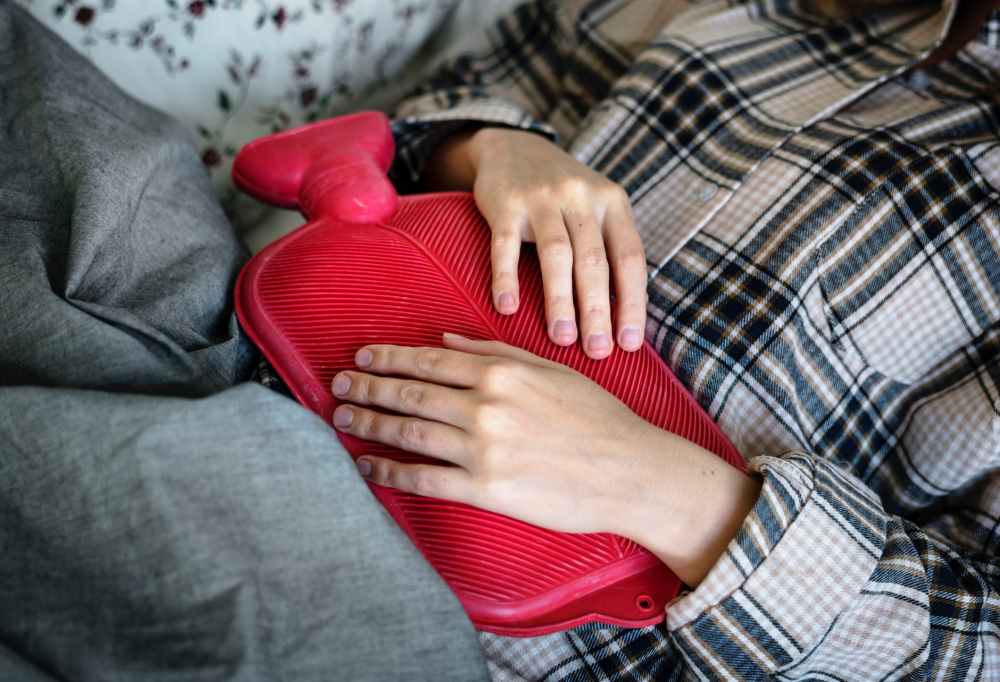
This is a disorder in women in which tissues that normally lines the uterus called the endometrium grow outside the uterus on the ovaries, fallopian tubes, and the tissue lining the pelvis.
Sign and symptoms of endometriosis
- Painful periods: This severe pain may begin before and well into the period
- Abnormal periods: This may be heavy bleeding during periods, irregular periods, or spotting.
- Pain during sexual intercourse in the back, lower abdomen, pelvis, rectum, or vagina
- Adhesions i.e. tissues binding the pelvic organ together
- Pain with bowel movement or urination
- Infertility
- Fatigue and tenderness
- The severity of the symptoms doesn’t indicate the degree or stage of the condition. Some may have a mild form of the disease and experience agonizing pain while some people may have a severe form and experience little or no symptoms.
Diagnosis of endometriosis
The symptoms of endometriosis can be similar to symptoms of other conditions like ovarian cysts and pelvic inflammatory disease. Your doctor will do one or more of the following.
- Take a detailed history of your symptoms and family history of endometriosis.
- Physical examination
- Your doctor may use a transvaginal or abdominal ultrasound to produce images of your organs to identify cysts associated with endometriosis.
- Laparoscopy: A minor surgery is done to view the lesions and remove them at the same time.
Stages of endometriosis
There are four stages of this condition
Stage 1: Minimal
Small lesions, shallow endometrial implants on the ovary
Stage 2: Mild
Light lesions and shallow implants on the ovary and pelvic lining.
Stage 3: Moderate
Deep implants on the ovary and pelvic lining.
Stage 4: Severe
Deep implants on the pelvic lining and ovaries. Lesions on the Fallopian tubes and the bowel
Treatment of endometriosis
Endometriosis has no cure but its symptoms can be managed. Treatment options include:
Pain medication
Hormonal therapy
This helps to reduce pain, regulate the hormonal changes that promote tissue growth occurring during endometriosis. These hormonal treatments include:
- Hormonal contraceptives like birth control pills, patches, and vaginal rings can reduce or eliminate pain in severe endometriosis. They work by preventing the monthly build-up of the endometrial tissue.
- Gonadotropin-Releasing Hormone(GnRH) agonists and antagonists – These block production of estrogen which is responsible for the development of female sexual characteristics. Blocking estrogen prevents menstruation and leads to artificial menopause.
Conservative Surgery
This is done to remove abnormal endometrial growths without damaging the reproductive organs.
Hysterectomy
This is a rather radical treatment and you should seek a second opinion before agreeing to this especially if you want to have children.
Do you suspect your symptoms may indicate endometriosis? Consult your doctor as soon as possible for proper diagnosis and management.
Endometriosis: Symptoms, treatment, diagnosis. (n.d.).
obgyn.ucla.edu/endometriosis
Facts about endometriosis. (n.d.).
endometriosis.org/resources/articles/facts-about-endometriosis/
Endometriosis. (2019).
womenshealth.gov/a-z-topics/endometriosis