Posts in the category: Hypertension
Sunday, 29 May 2022
9 Heart-Healthy Low Cholesterol Foods


The world's leading cause of death is heart disease, with high cholesterol linked to an increased risk of developing this condition. Most people think about foods to avoid when they want to lower their cholesterol. However, there are also certain foods that are heart-healthy low cholesterol foods.
Consider these heart-healthy foods:
1. Legumes
Legumes include food such as beans, soybeans, peas, and lentils. They contain lots of fiber, protein, and minerals. Consider this healthy idea: replace refined grains and processed meat with legumes and you can lower your risk of developing heart disease.
2. Avocados
These fruits are a rich source of monounsaturated fats and fiber, both of which can help lower bad cholesterol (LDL) and raise good cholesterol levels (HDL).
3. Nuts
Nuts such as almonds and walnuts are full of monounsaturated fats. They also contain phytosterols, a plant compound that can help lower cholesterol. It does this by blocking its absorption in your intestines. Almonds are a good source of L-arginine, which is an amino acid that helps regulate your blood pressure. Walnuts contain omega-3 fatty acids, which are polyunsaturated fats linked to good heart health.
4. Fatty fish
Fatty fish like salmon contain omega-3 fatty acids that can increase good cholesterol, which will help to lower inflammation and also reduce the risk of suffering a stroke. It is also believed that fish protein has certain peptides that help to protect your heart.
5. Whole grains
Whole grains, in particular oats and barley, have been shown to lower the risk of heart disease with both found to contain beta-glucan, a soluble fiber that helps lower cholesterol.
6. Fruits and berries
These are another source of soluble fiber, which can lower cholesterol. Fruit is also a good source of bioactive compounds that contain various antioxidants with anti-inflammatory benefits. These can help prevent heart disease and other chronic diseases.
7. Dark chocolate
The main ingredient in dark chocolate, cocoa, has been proven to lower bad cholesterol. It can also reduce blood pressure too. The one issue with chocolate is that it is high in added sugar, which can have a negative impact on your heart health. This is why it’s healthier to opt for dark chocolate with a cocoa content above 75%.
8. Garlic
Garlic contains numerous healthy plant compounds, which include allicin. Research has found that garlic can help reduce cholesterol and may help to lower blood pressure in people who currently have high blood pressure.
9. Vegetables
Vegetables are a good source of fiber and antioxidants. They are also low in calories, so they’re also essential if you are looking to keep slim and healthy.
Tuesday, 15 February 2022
The Benefits of Practicing Mindfulness
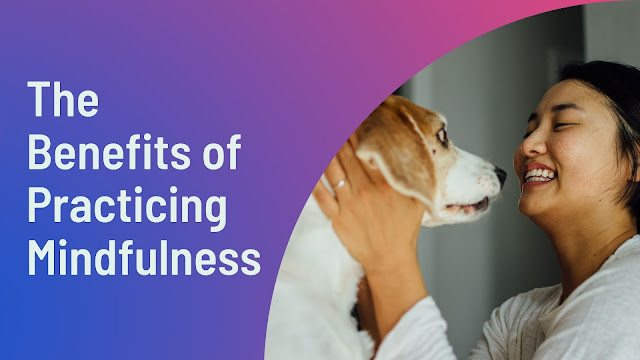
Mindfulness is about paying attention to what you are feeling and sensing in the moment. Think of it as taking the time to stop and smell the roses. It’s about cutting out the distractions and noise in your mind and choosing to focus on what is happening around you.
Benefits of Meditation
There are some big benefits to practicing mindfulness. Top among them is of course feeling less stressed. One of the reasons we feel stressed is because we are pulled in many different directions and are constantly bombarded by new information, media, and demands.
Practicing mindfulness allows you to tune out the noise and give your mind a break. This in turn will help you relieve stress. Making mindfulness part of your daily routine can help you start to permanently reduce stress.
Practicing mindfulness can also help with anxiety, depression, and insomnia.
Mindfulness meditation has also been shown to help with improving attention span and reducing work burnout.
Simple Ways of Practicing Mindfulness
Practicing mindfulness doesn’t have to be hard or complicated. You don’t have to get into any long mindfulness meditations unless you want to. You can start with some very easy and simple things.
Let’s take mindful eating
for example. Instead of eating in front of the TV or looking at your phone
while eating a meal or munching on a snack, try this instead. Get out a plate
and put your food on it. Arrange the food or snack. Sit down at the table
and put your phone away. Focus on the food. What does it look like? What does
it smell like? How does it taste? Savor each bite and pay attention to how your
body is starting to react. Not only is it a great way to destress, but you’ll also find
you’ll get a lot more out of each meal and this type of eating tends to keep
you from overindulging.
Another great way to practice mindfulness is with mindfulness
meditation. Focus on your breathing and notice how the air rushes in and out of
your lungs, what it feels like to have it move in through your nose and out
through your mouth. Pay attention to the rise and fall of your abdomen.
You can practice mindfulness anytime, anywhere. The hardest part is remembering to do it. Create one or two small habits for yourself that focus on mindfulness. Maybe it’s a simple meditation in the morning, or really paying attention to that first cup of coffee. Maybe it’s going for a stroll after dinner by yourself where you can practice being mindful of your surroundings and the beauty you encounter.
Give it a try and start to reap the
many short and long-term benefits of practicing mindfulness.
Monday, 7 February 2022
How To Reduce Stress in Your Daily Life
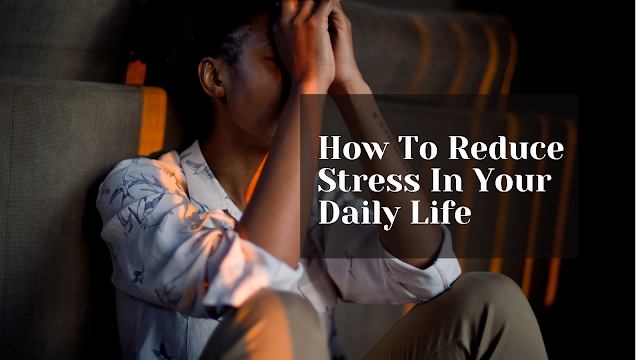
Are you feeling stressed? I’d be surprised if you weren’t. Between the growing demands of our jobs, raising a family while working full-time, and the increasing need to stay connected all day every day, most of us feel stressed out more often than we like to admit. Add to it a chronic lack of sleep and exercise and you have a recipe for disaster. Stress kills and that’s no joke. Let’s look at some of the worst negative side effects of stress and what you can do to stress less and relax more.
Stress will cause your blood pressure to rise. You’ve experienced this when you found yourself hot and with a raging headache when you were in a particularly stressful situation. Feeling that way from time to time is no big deal. The real danger is in the lower-level stress we all feel on a daily basis. It can lead to hypertension and a higher risk of suffering from a heart attack or stroke.
Are you ready to actively do something to reduce stress on a daily basis? If not, I would like to encourage you to pick up and develop a daily habit that helps you accomplish just that. Stress not only reduces your quality of life; it can also negatively affect your health. There’s a reason why they say stress kills. Start doing something about it and embrace life to the fullest with some of these simple techniques that help you stress less.
Review and
Release - Stop Trying to Do All the Things
One of the main reasons why we are so much more stressed than
let’s say our grandparents were, is because we are taking on a lot more. We
have families where each partner is working a full-time job and possibly a side
hustle as well to make ends meet financially. That leaves all the hard work of
keeping house and raising a family, which needs to be done during “off” hours.
Most of us no longer mentally clock out at the end of the workday. Instead, we
take our work home and are reachable at all hours via text message or email.
Add to that the stress constant connectivity and social media create and it’s
no wonder we’re more stressed than ever.
It’s time to stop trying to do
all the things all the time and focus on reducing stress in your life. Start by
reviewing everything you do on a given day. A great tool for this is a time
log. Keep a simple piece of paper or a small notebook with you at all times.
Set an alert on your phone to go off every 30 minutes (during waking hours),
and quickly jot down what you’re doing. Be brutally honest. No one else needs
to see this log and you can burn it after you’re done. After a week of logging,
you get a pretty good idea of where you spend your time and mental energy.
Now comes the fun part. Look through your data and decide what you
can let go of. What can you stop doing? Open up some time for yourself to
exercise, meditate, or take a nap so you can catch up on much-needed sleep.
Next, it’s time to review and release all those worries, questions, and “should-dos” that are stressing you out. Get out another sheet of paper or two and start to write down anything and everything on your mind. All the stuff you’ve been thinking about doing. All the stuff that’s been worrying you. Get it all out. Walk away for a few hours and then come back to your list.
Cross out
as much as you can. Things that are out of your control and you decide to
mentally release. Tasks that you feel like you should do, that you really don’t
need to do. Then rewrite what’s left on two different lists. One will be things
you can do, or have someone else do for you. This will become your master to-do
list for the next few months. The other is a list of worries or concerns.
Notice how much smaller and shorter those lists are and how much lighter you
feel just getting it all out of your head.
Start Meditating
One of the best tools for reducing stress is meditation. You can
start with a simple breathing meditation by getting comfortable in a quiet spot
and focusing on relaxing and thinking about nothing but your breath. From
there, give some of the free guided meditations a try. There are even some
wonderful apps out there that turn your smartphone into your favorite new
meditation device. Set aside a few minutes each day to meditate and watch the
stress melt away.
Keep a Journal
This one may surprise you. A journal is an effective tool to help
you worry and stress less. The simple act of writing about what’s on your mind
can be incredibly freeing. A journal is also a great tool to help you look back
and figure out what’s triggering or causing periods of high stress. This is valuable
information to have since you can’t work towards reducing or eliminating a
trigger if you don’t know what it is.
Go for A Walk
Another simple, but very powerful technique is to go for a walk.
Get outside if possible, but if that’s not a good option, hop on a treadmill or
pace around your house. It doesn’t take a lot of walking before you start to
see the benefits. If you only have ten minutes, walk. If you have an hour lunch
break, walk for 20 minutes and spend the rest of the time relaxing and eating.
Make it work and get in the habit of walking regularly.
Sleep
Do you know what one of the most effective ways to de-stress is? It’s sleeping. Yes, exercise is great and meditation is a wonderful tool, but the best thing you can do to stress less on a regular basis is to get a goodnight's sleep.
You already know this is true. Think about how much harder your
job and your life, in general, feel after a night when you were up with the kids,
or working until four in the morning to finish an important project. You get
grumpy, it’s harder to focus, and every little problem suddenly becomes
insurmountable. You feel a lot more stressed throughout the day and it only
gets worse if you end up sleeping poorly for several days in a row.
Thankfully there are a lot of things you can do to improve both
the quantity and quality of sleep you get. Before you tell yourself that you
can’t afford to sleep more, realize that not focusing on sleep will cause you
to be less focused and productive. You’ll actually get more done by investing
time into a good-night sleep.
Start by establishing a bedtime routine. Try to go to bed at the same time every night, even on the weekends. It helps your body get into a rhythm that makes falling asleep and staying asleep easier. Cut distractions from your bedroom. That means leaving your phone in the living room if possible or silent.
Turn off the lights and have a good look around your bedroom. Are there
any small indicator lights or blinking lights? Try to remove them if possible.
Listen for any sounds from electronics and the likes. Make your bedroom a calm,
quiet, and dark place of rest.
Last but not least, watch your screen time at night. Our eyes and
the way they process light, including the light waves from our screens have a
big impact on how alert the body is. One of the worst habits we’ve all
developed is to look at our phones while trying to go to sleep. Instead, focus on calming
activities like reading, talking with your partner, or meditating for an hour
before going to sleep. Reduce screen time for a few hours before bed or at the
least invest in blue light filtered glasses or install an app that changes your
display at night.
Read 3 apps that can help you sleep better at night.
Hug
That’s right. Something as simple as a hug can help you relax and
fight stress. Make sure the hug is genuine on both sides and for best results,
hold the embrace for at least twenty seconds. You’ll start to feel calm and those endorphins will flood your system. Don’t have anyone around to
hug at the moment? Laughing out loud is pretty powerful too. Turn on a fun
comedy that leaves you in stitches.
Clean Up Your Diet
Last but not least, take a look at what you’re putting into your
mouth. A clean diet of mostly whole foods that’s low in sugars and
preservatives will nourish your body and fight much of the damage stress
causes. It will also help you feel calmer and more in control. Start making
some small changes and see if you don’t start to feel better.
Wednesday, 25 August 2021
How Can You Lower Cholesterol Levels Fast? Tips On How To Lower Cholesterol
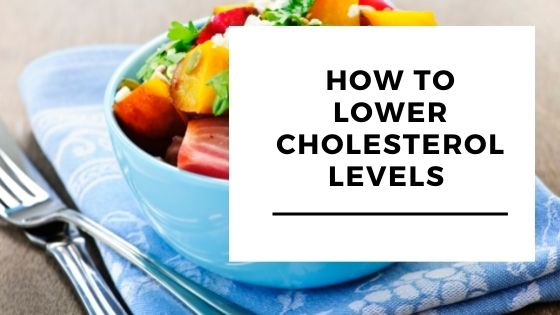

What is cholesterol?
Cholesterol is a waxy chemical substance found in every cell of the body. It is a fat-like substance that moves in the blood. The liver produces about 80% of the cholesterol in the body. We can also get it from food. Cholesterol is only found in foods that come from animals like meat, poultry, fish, eggs, and dairy products.
The liver regulates the cholesterol in the blood. After a meal, cholesterol in the meal is absorbed in the small intestine, metabolized, and stored in the liver. The liver secretes cholesterol as the body needs it.
What is the role of cholesterol in the body?
Cholesterol performs many vital functions in the body. It is found in all the cell membranes of the body. Cell membranes are layers that protect the contents of the cell by acting as a gatekeeper to what things can enter or leave the cell. Cholesterol is also needed to make Vitamin D and some hormones like estrogen and testosterone.
Types of cholesterol
Cholesterol is transported in the blood by particles called lipoproteins. There are three types of lipoproteins that are categorized based on how much protein there is in relation to cholesterol.
Low-Density Lipoprotein
This is typically called "bad" cholesterol. It has more cholesterol than protein. This lipoprotein transports cholesterol throughout the body. They accumulate in the arteries clogging them and making them hard and stiff.
High levels of LDL can increase the risk of heart disease, stroke, and peripheral artery disease by forming cholesterol plaques on the walls of the arteries. As the plaques continue to build up, they narrow the arteries. This is called arteriosclerosis. This will also cause the blood flow to decrease.
If the plaque ruptures, this can cause a blood clot to form. This blood clot can prevent blood flow. If this clot occurs in any coronary arteries in the heart, it can cause a heart attack or myocardial infarction.
High-Density Lipoprotein
This is called good cholesterol. This is made up of higher levels of protein and lower levels of cholesterol. HDL picks up excess cholesterol and takes it back to the liver. Higher levels of HDL reduces the risk of heart disease.
Very Low-Density Lipoprotein
These are particles in the body that carry triglycerides. Triglycerides are important because most of the fat in the body exists as triglycerides. VLDL contains even lower levels of protein than LDL and has been associated with cholesterol plaque build-up.
How to test your cholesterol levels
Cholesterol levels are tested with a blood test. In most cases, you will need to fast for 12 hours before drawing blood for the test.
Accepted cholesterol levels
The National Cholesterol Education Program endorsed by the American Heart Association suggests the following guidelines for levels of total cholesterol, HDL, and LDL.
| Total Cholesterol (mg/dL) | |
|---|---|
| < 200 | Desirable |
| 200 to 239 | Borderline high |
| > 240 | High |
| HDL (mg/dL) | |
| < 40 | Low |
| > 60 | High |
| LDL (mg/dL) | |
| < 100 | Optimal |
| 100 to 129 | Near-Optimal |
| 130 to 159 | Borderline high |
| 160 to 189 | Near high |
| > 190 | High |
How to lower cholesterol by diet
Reduce saturated fats
Saturated fats are mainly found in animal foods, though a few plant foods are also high in saturated fats like coconut oil, palm oil, and palm kernel oil. Some sources of saturated fat are meat products (sausage, bacon, meat, hamburgers), whole and reduced-fat milk, butter and dairies desserts, pizza, cheese, and cookies.
The American Heart Association recommends limiting saturated fats to no more than 7% of calories.
Eliminate trans fats
Trans fats are made by heating liquid vegetable oils in the presence of hydrogen gas and a catalyst. Partially hydrogenated oils can withstand heating without breaking down making them ideal for frying foods. Trans fats are also found in beef fat and dairy fat in small amounts.
Trans fats lower HDL and raise LDL. They can also create inflammation and increase insulin resistance. Insulin resistance is when your body stops responding to insulin, causing an increase in blood sugar levels.
Increase unsaturated fats
Unsaturated fats are liquid at room temperature and are considered beneficial for health. They can improve blood cholesterol levels, reduce inflammation and stabilize heart rhythms. Unsaturated oils are found in food from plants such as vegetable oils, nuts and seeds.
There are two types of unsaturated fats:
Monounsaturated fats which are found in avocados, oils suchs as peanut oil. canola oil, nuts like almonds and seeds like sesame and spinach seeds.
Polyunsaturated fats which are found in walnuts, fish, flax seeds and canola oil.
Eat foods rich in omega 3 fatty acids
These fats are a type of polyunsaturated fats. The body doesn't make this so they must come from food. Excellent sources of omega 3 are fish, walnuts, canola and soyabean oil.
Other ways to lower high cholesterol levels are:
Increase your physical activity
Exercise helps boost your body's HDL (good fat).
Quit smoking
Smoking may lower your body's HDL(good fat).
Lose Weight
Having a body mass index of 30 or greater puts you at a risk of high cholesterol.
Drink alcohol in moderation
Drinking too much alcohol can increase your cholesterol level.
Take your medication
If you need medication to lower your cholesterol levels, you and your doctor will decide what medication is right for you depending on your medical history and current medications you are on.
Wednesday, 11 August 2021
Basic Health Screening Tests for Adults


Basic health screening tests are tests your healthcare provider recommends to identify any undetected disease or conditions. The goal is to discover diseases that can be easily treated if found on time. Getting screened is one of the most important things you can do for your health.
Health screening tests are recommended based on some criteria:
- The condition has an early stage during which symptoms may not be obvious but early detection and treatment will significantly improve the outcomes.
- An acceptable treatment is available for the condition.
- It affects the person's life expectancy and quality of life.
- A simple and affordable screening test for the condition is available.
- It is a common public health problem.
Basic Health Screening Tests
Blood Pressure Screening
You can get your blood pressure checked during any routine medical visit. After measuring your blood pressure, your doctor can ask you to check it at home. This is because your blood pressure can change throughout the day. And sometimes, it's high only because you are seeing a doctor.
To diagnose high blood pressure, your doctor needs to know if is high throughout the day. Your doctor can let you know how often you should check your blood pressure. It may depend on factors such as your blood pressure, your risk for heart disease, if you are 40 and over, and if you are obese.
Please note that any high blood pressure discovered by using an automated blood pressure testing device at home or in a pharmacy may not be accurate. A diagnosis of hypertension should be confirmed by your doctor or a health professional.
Read: What do your blood pressure numbers mean?
Diabetes Screening
Type 2 Diabetes is a common disease worldwide. However, only about a third of the people affected know they have the condition because often there are no symptoms. Early screening can help people avoid complications of this disease like damage to the kidneys, heart, and blood vessels.
According to the American Diabetes Association, screening for diabetes should be done at three-year intervals beginning at age 45, especially for people who are overweight or obese.
If there are other risk factors such as a family history of diabetes, high blood pressure, high cholesterol among others, screening should be done at an earlier age and more frequently.
Read: Diabetes, 5 warning signs you shouldn't ignore
Cholesterol/lipid profile
Cholesterol is a substance found in the body. It is used to produce Vit D, some hormones, and cell membranes. Cholesterol is transported in the bloodstream in spherical particles called lipoproteins. The two common lipoproteins are low-density lipoproteins "LDL" or bad cholesterol and high-density.
lipoprotein "HDL" or good cholesterol.
Cholesterol screening is done with a blood sample. Studies have shown that people with high cholesterol have a higher risk for cardiovascular disease than others. This risk can be reduced by lowering their cholesterol.
Mammogram
A mammogram is an x-ray picture of the breast. It is used to check for early signs of breast cancer. The American College of Gynaecologists and Obstetricians recommend that women who are 40 and above should have a mammogram every one to two years.
The American Cancer Society recommends regular screening from age 45. If you have a personal or family history of breast cancer, your doctor may recommend earlier and more frequent screenings.
Pap Smear
This is a test used to screen for cervical cancer. The procedure is about collecting cells from your cervix which is the lower end of your uterus on top of your vagina. These cells are then tested to see if they are cancerous or abnormal cells that can lead to cancer.
It is recommended to get a pap smear every three years from the age of 21. The frequency of the pap smear can differ for women with low immunity or a history of cancer/precancerous cells.
Colonoscopy
Colonoscopy screens for colorectal cancer. Most colorectal cancer develops over several years. This cancer usually begins as a non-cancerous polyp on the inner lining of the colon or rectum.
These polyps generally do not cause problems. But, sometimes, they may progress to cancer. When they are discovered during screening and removed, it prevents cancer from developing.
Getting screened can save your life. However, the type of screening and how frequently you do them depends on your risk factors, age, and overall health profile. Be sure to consult your healthcare provider to determine the right tests you need.
Friday, 7 August 2020
How To Exercise To Lower Blood Pressure
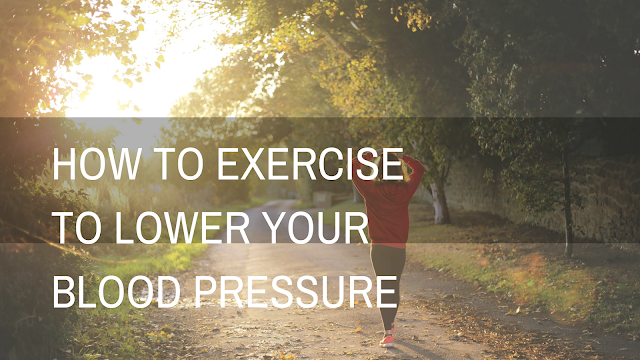

Walking has all sorts of health benefits including the ability to help lower your blood pressure and strengthen your heart. Many people at risk for stroke and heart disease are overweight, unhealthy, and have a hard time exercising. Thankfully walking is an easy, low-impact exercise to lower blood pressure that almost anyone can do.
Start where you’re at. Just put on your shoes and head out there. If all you can do is walk for five to ten minutes, start there. It’s a great start and that’s a lot more exercise than you’ve been getting. Stick with it for a week and then see if you can make it for 15 minutes.
If you can go for a 30-minute walk, start there. Pick up the pace, walk briskly and after a week or two, try to go for 45-minute walks. Or break up your walking workout into 3 shorter sessions interspersed throughout your day.
If you have any health conditions and in particular, if you’re suffering from high blood pressure and are at risk for heart disease, discuss your walking plans with your doctor. The two of you can come up with a plan that’s appropriate and safe for you.
Getting out and walking will help you on several different levels. The act of walking itself, particularly if you can go for a walkout in a pretty park is very relaxing and will lower your blood pressure soon after the walk. That’s a terrific benefit of walking and something that will help you feel better right away. But the benefits don’t stop there.
Regular exercise will strengthen your heart. Remember your heart is a muscle and going for a brisk walk works out more than your leg muscles. As you work out your heart, it gets stronger and better at pumping blood through your body.
And as you strengthen your muscles and your body overall, you are likely losing body fat. That’s good news for your blood pressure long-term. All it takes is heading out there for a short little walk each day. As you get stronger those walks will get longer and you may even give swimming or riding your bike a try.
A healthy diet, regular exercise, and losing weight are some of the most effective ways to reduce hypertension regularly. Add to that the fact that walking helps you destress and it’s no wonder that walking regularly has such beneficial effects on your health. Ready to get started? Put on your shoes and go for that first walk.
Monday, 29 June 2020
Health Benefits Of Walking


There are a lot of good reasons to go for a walk. It’s fun, it’s relaxing and most important it’s good for your health. But what exactly are the health benefits of walking?
Walking Gets You Outside In The Fresh Air and Sunshine
No matter how fast or slow you walk, walking gets you outside and in the fresh air. This alone will make you feel better as your body absorbs oxygen and sunshine. Both are important for your health and well-being.
You will find the air quality outside will be much better than the air inside your house. Of course, the sunshine outside will help your body produce all the Vitamin D it needs.

Walking Can Help You Get To And Maintain A Healthy Weight
Walking particularly at a quick pace and doing it regularly can help you get to and then maintain a healthy weight. Yes, you still need to watch what you eat and aim for a healthy diet, but walking can be another tool to help you drop the extra weight.
The nice thing about walking when you’re overweight is that you burn a lot of calories, even on short and slow walks. As you start to lose weight, your overall strength and endurance increases, allowing you to walk longer, further, and faster.
Walking Improves Your Sense Of Balance And Coordination
As you walk, particularly when walking over rougher terrain, you’re also working on your sense of balance and coordination. Just getting in the habit of going for a daily walk will help. But you can work even more on your sense of balance by moving your head around. Turn your head to the right and left as you walk for a count of 30. Then move your head up and down for a count of 30. Doing these simple exercises once or twice as you walk each day will be of great benefit.
Walking Strengthens Your Bones and Muscles
Even though walking is a low-impact form of exercise, it helps to strengthen and tone your body. If you’re just starting out, it is all you need to start to get into better shape. As you get more fit, consider adding weight lifting exercises in addition to your daily walks to continue to get stronger and help develop strong muscles and bones.
Walking Will Boost Your Mood and Fight Depression
The exercise of walking releases endorphins that will help lift your mood and can even reduce depression. Give it a try. The next time you’re feeling tired or are in a bad mood, lace up your sneakers and go for a brisk walk. It works!
Thursday, 4 May 2017
Hypertension : 8 ways to control high blood pressure

This post may contain affiliate links. Read disclosure policy here
Hypertension is a silent killer and if left untreated, can lead to complications like heart disease, stroke, and others.
If
your doctor has diagnosed you with hypertension, you may be on medication but
changing your lifestyle can reduce the need for drugs.
These
are 8 natural ways to control your blood pressure:

Reduce your salt intake
To decrease your salt intake, consider reducing the amount of
salt in your cooking and enhance the taste with herbs and spices instead.
Also, reduce the intake of processed foods because they
contain a lot of salt.
Eat healthy
Your blood pressure can be lowered considerably if you reduce
foods rich in saturated fats and cholesterol. Instead eat foods like fruits,
vegetables, and whole grains.
Stay away from nicotine and second-hand smoke
Smoking can raise your blood pressure. Also, inhaling smoke from
others can also increase your risk of hypertension and other diseases.
Exercise regularly
It has been proven that exercise of about 30 minutes at least 3
times a week can reduce your blood pressure. Discuss developing an exercise
routine with your doctor.
Lose weight
Being obese or overweight can increase your risk of
hypertension. To calculate your ideal weight for your height, check your body mass index (BMI). Weight loss can
reduce your blood pressure and make your medication more effective.
Reduce your alcohol intake
Intake of excessive amounts of alcohol can increase your blood
pressure. Slowly reduce your alcohol intake. The recommended amount is a
drink a day for women and men older than 65 or two a day for men 65 years and
younger.
Manage your stress
Stress can really shoot up your blood pressure. Identify
areas of stress in your life and see if you can
reduce them. Also, consider talking to a specialist if you can't control your
stress levels for help on dealing with stress.
Take your blood pressure readings regularly
Monitoring your blood pressure regularly is very important and
more so, if you are hypertensive. Talk to your doctor about recommending a blood
pressure monitor you can use at home. It is recommended to keep a notebook
where you can write your blood pressure readings you have taken at home.
When you visit your doctor for your regular check-up, your pressure
readings can help to know if your medication is working.
Subscribe to:
Posts (Atom)