Friday, 7 August 2020
How To Exercise To Lower Blood Pressure
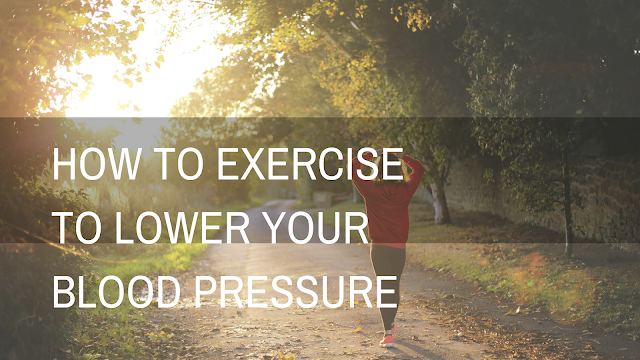

Walking has all sorts of health benefits including the ability to help lower your blood pressure and strengthen your heart. Many people at risk for stroke and heart disease are overweight, unhealthy, and have a hard time exercising. Thankfully walking is an easy, low-impact exercise to lower blood pressure that almost anyone can do.
Start where you’re at. Just put on your shoes and head out there. If all you can do is walk for five to ten minutes, start there. It’s a great start and that’s a lot more exercise than you’ve been getting. Stick with it for a week and then see if you can make it for 15 minutes.
If you can go for a 30-minute walk, start there. Pick up the pace, walk briskly and after a week or two, try to go for 45-minute walks. Or break up your walking workout into 3 shorter sessions interspersed throughout your day.
If you have any health conditions and in particular, if you’re suffering from high blood pressure and are at risk for heart disease, discuss your walking plans with your doctor. The two of you can come up with a plan that’s appropriate and safe for you.
Getting out and walking will help you on several different levels. The act of walking itself, particularly if you can go for a walkout in a pretty park is very relaxing and will lower your blood pressure soon after the walk. That’s a terrific benefit of walking and something that will help you feel better right away. But the benefits don’t stop there.
Regular exercise will strengthen your heart. Remember your heart is a muscle and going for a brisk walk works out more than your leg muscles. As you work out your heart, it gets stronger and better at pumping blood through your body.
And as you strengthen your muscles and your body overall, you are likely losing body fat. That’s good news for your blood pressure long-term. All it takes is heading out there for a short little walk each day. As you get stronger those walks will get longer and you may even give swimming or riding your bike a try.
A healthy diet, regular exercise, and losing weight are some of the most effective ways to reduce hypertension regularly. Add to that the fact that walking helps you destress and it’s no wonder that walking regularly has such beneficial effects on your health. Ready to get started? Put on your shoes and go for that first walk.
Monday, 27 July 2020
How To Stay Motivated To Work Out
Setting aside some time to go for a 45-minute walk isn’t always easy. We all live busy lives and between family and work, fitting in a workout isn’t always possible.
What if I told you that you didn’t have to dedicate a set block of time for your walking workouts? What if you could get the same health benefits by working in a little more activity here and there throughout your day?
And what if there was a fun little gadget that helped you stay motivated to work out more?
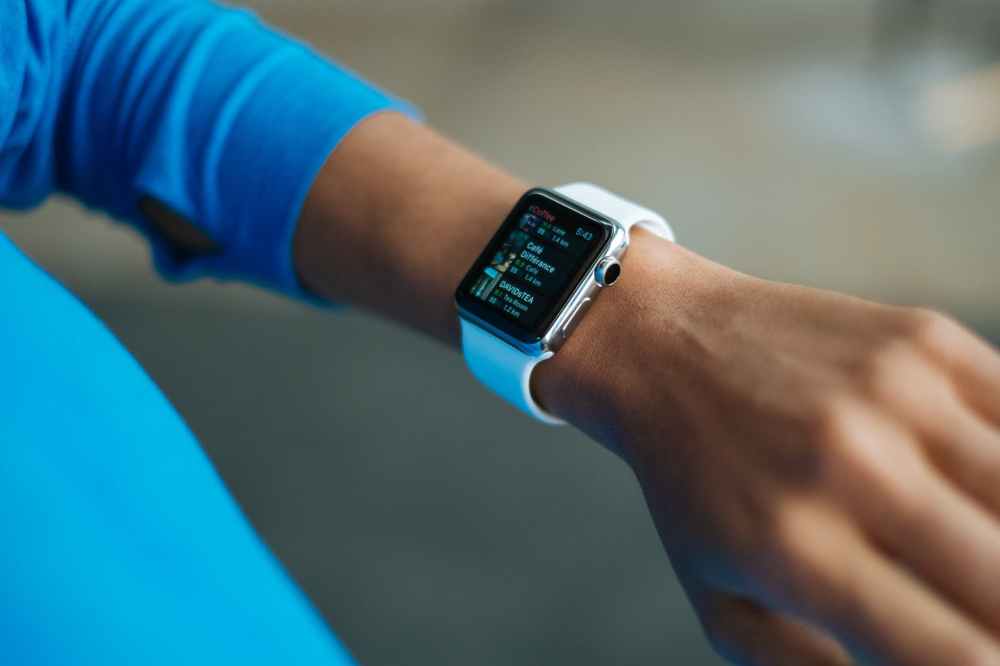
There is and it’s called a pedometer. You can pick up an inexpensive model at your local superstore or order it from Amazon. Or you can go with something a little fancier like a Fitbit for example.
Earn hundreds of pounds cashback every year shopping at over 4500 retailers with the UK's Top Cashback site. Join Quidco & get cashback for your purchases!
But before you head out to spend any money, check your smartphone. Many models have a pedometer built-in. All you need to do is download a free app and you’re good to go.
The pedometer will track how many steps you take on any given day. It will also track how many minutes you’ve spent being active and how many miles you’ve walked.
In other words, it keeps track of how much exercise you get during your day. And the good news is that it doesn’t matter if you head out after work for a 45-minute walk, or if you work out in little spurts here and there throughout the day.
Maybe you start your day by parking a little further away from the office and walking a couple of hundred extra steps. Then you take a quick stroll during your lunch break.
You wrap up your day by walking around the park while your kids play. And just like that, you’ve gotten your exercise in without having to block out any additional time.
Give it a try. Put on a pedometer, or start tracking with that phone you’re always carrying around anyway and see how much you’re walking around any given day. From there, try to get a little more active as time goes by until you hit your stepping goal.
For most of us 10,000 steps per day is a good long-term goal, but if you’re feeling more ambitious than that, go for it.
Keeping track of your steps is very motivating. Looking at your pedometer and realizing you’re 2,000 steps away from your daily goal may be just the motivation you need to head out for that after-dinner stroll.
Monday, 29 June 2020
Health Benefits Of Walking


There are a lot of good reasons to go for a walk. It’s fun, it’s relaxing and most important it’s good for your health. But what exactly are the health benefits of walking?
Walking Gets You Outside In The Fresh Air and Sunshine
No matter how fast or slow you walk, walking gets you outside and in the fresh air. This alone will make you feel better as your body absorbs oxygen and sunshine. Both are important for your health and well-being.
You will find the air quality outside will be much better than the air inside your house. Of course, the sunshine outside will help your body produce all the Vitamin D it needs.

Walking Can Help You Get To And Maintain A Healthy Weight
Walking particularly at a quick pace and doing it regularly can help you get to and then maintain a healthy weight. Yes, you still need to watch what you eat and aim for a healthy diet, but walking can be another tool to help you drop the extra weight.
The nice thing about walking when you’re overweight is that you burn a lot of calories, even on short and slow walks. As you start to lose weight, your overall strength and endurance increases, allowing you to walk longer, further, and faster.
Walking Improves Your Sense Of Balance And Coordination
As you walk, particularly when walking over rougher terrain, you’re also working on your sense of balance and coordination. Just getting in the habit of going for a daily walk will help. But you can work even more on your sense of balance by moving your head around. Turn your head to the right and left as you walk for a count of 30. Then move your head up and down for a count of 30. Doing these simple exercises once or twice as you walk each day will be of great benefit.
Walking Strengthens Your Bones and Muscles
Even though walking is a low-impact form of exercise, it helps to strengthen and tone your body. If you’re just starting out, it is all you need to start to get into better shape. As you get more fit, consider adding weight lifting exercises in addition to your daily walks to continue to get stronger and help develop strong muscles and bones.
Walking Will Boost Your Mood and Fight Depression
The exercise of walking releases endorphins that will help lift your mood and can even reduce depression. Give it a try. The next time you’re feeling tired or are in a bad mood, lace up your sneakers and go for a brisk walk. It works!
When you are young, it is easy to forget how important your joints are for your overall quality of life. Your joints are what allow your skeleton to bend, as your joints are located where at least two bones meet one another. This bending is what allows you to perform everyday tasks. Without joints, you would be one cohesive group of bones, unable to participate in your environment.
Joints also consist of cartilage that lines each end of the bones. Cartilage is important in cushioning the bones in your joints. This cartilage can break down, as is the case in the development of osteoarthritis (which you may hear referred to as “wear and tear” arthritis).
Unfortunately, it is easy to neglect your joints, but you may pay the price as you age. That is why it is important to start looking after your joints at an early age so that they will be there to support and serve you for years to come.
Here are some helpful tips to keep your joints healthy:
Protect your joints
Some activities are harder on your joints than others or pose a greater risk of injury. For example, sparring in martial arts puts your joints at risk of injuries. Repeated jogging on pavement also increases the risk of damage to your joints and cartilage.
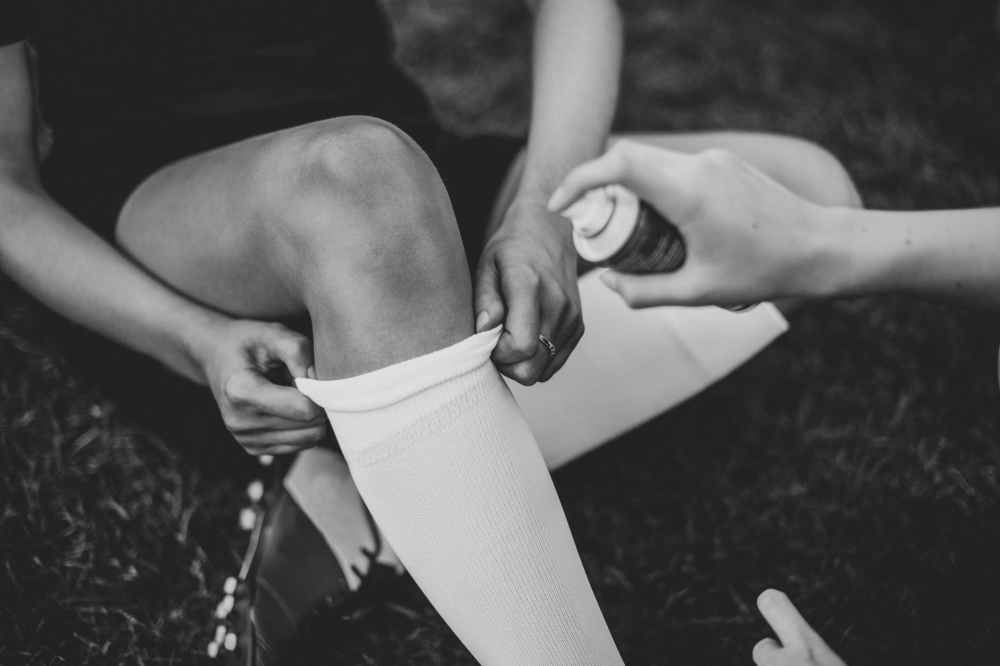
It is therefore wise to choose low-impact exercises such as swimming, walking, or cycling. However, if you will be participating in higher-risk activities, be aware of the potential for damage to occur to your joints, and do your best to protect your joints. You can do this by wearing protective gear such as elbow pads, knee pads, or knee braces.
In addition, be sure to use your larger joints such as your elbows and shoulders to carry your purse, instead of your smaller hand joints.
If you are injured, be sure to stop the activity and seek treatment in order that you can prevent further damage to your joints.
Lose weight
Excess weight is especially detrimental to your weight-bearing joints in your legs (knees, hips, ankles). This can become a vicious cycle if not dealt with. In other words, you gain weight, your joints are sore, and so you exercise less. You may need to consult a healthcare professional or a personal trainer to provide you with specific methods to get back on the road to health in all areas.
Do strength-training
When you strengthen the muscles around your joints, these muscles help support your joints resulting in less stress placed on the latter.
If you strengthen your quadriceps and hamstrings muscles found in the front and back of your thighs respectively, you are providing more support for your knee joints. This reduces the risk of developing osteoarthritis in your knees.
You also want to strengthen your abdominal muscles. When you have stronger abdominals, your balance also improves. This can help you prevent damage to joints, as your chances for falls decrease as your balance improves.
Watch what you eat
Some foods promote inflammation throughout the body, including the joints. Omega 3’s, however, are good for you, as they are known to reduce inflammation. The best sources of Omega 3’s are found in cold-water fish such as salmon. You can also take Omega 3’s in supplement form. Be careful not to add extra Omega 6’s into your diet, as the North American diet gets enough of these already, and they have been reported to increase inflammation.
Take supplements for healthy joints
Glucosamine and chondroitin are two products that naturally make up cartilage in your body. You can purchase glucosamine and chondroitin in supplement form. Some people swear by these products, and use them to keep their joints healthy.
Lose weight
Excess weight is especially detrimental to the weight-bearing joints in your legs (knees, hips, ankles). This can become a vicious cycle if not dealt with. In other words, you gain weight, your joints are sore, and so you exercise less. You may need to consult a healthcare professional or a personal trainer to provide you with specific methods to get back on the road to health in all areas.
Do strength-training
When you strengthen the muscles around your joints, these muscles help support your joints resulting in less stress placed on the latter.
If you strengthen your quadriceps and hamstrings muscles found in the front and back of your thighs respectively, you are providing more support for your knee joints. This reduces the risk of developing osteoarthritis in your knees.
You also want to strengthen your abdominal muscles. When you have stronger abdominals, your balance also improves. This can help you prevent damage to joints, as your chances for falls decrease as your balance improves.
Watch what you eat
Some foods promote inflammation throughout the body, including the joints. Omega 3’s, however, are good for you, as they are known to reduce inflammation. The best sources of Omega 3’s are found in cold-water fish such as salmon. You can also take Omega 3’s in supplement form.